Shopping Cart


8 March, International Women's Rights Day, is often an occasion to highlight struggles and progress towards equality. But behind the debates on labour law, access to education or the place of women in society, a quieter but essential aspect deserves attention: hygiene and dignity in daily life. And that is where the SavOsec comes in.
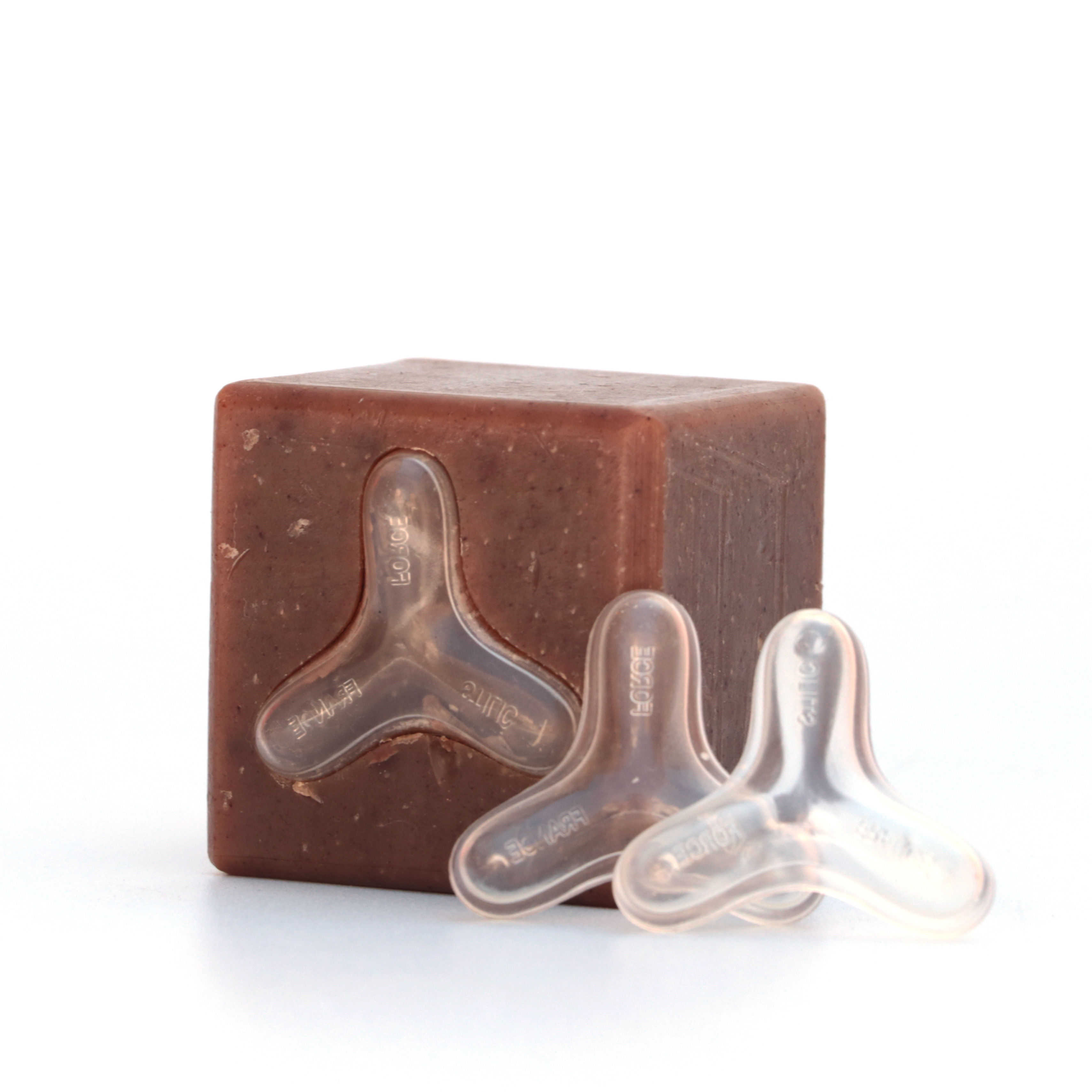
For those who don't know it, the SavOsec is a small plastic accessory that keeps your soap dry, stopping it from needlessly melting in stagnant water. A simple concept, but one that makes all the difference to hygiene.
In many parts of the world, access to decent sanitary conditions remains a major issue for women. In refugee camps, rural areas or deprived neighbourhoods, a simple lack of infrastructure can limit their autonomy, well-being and even access to education.
An object like the SavOsec, by preserving soap for longer and avoiding waste, may seem anecdotal in Western societies, but where hygiene products are scarce or expensive, every saving counts. Having a clean, dry bar of soap ready to use supports constant access to hygiene, a key factor for the health of women and girls.
Beyond emergencies, hygiene is also a question of mental load. In many cultures, women are still largely responsible for running the home and family hygiene. Making the best use of resources, however simple it sounds, lightens this invisible load.
Women's Day is a reminder that progress in rights also comes through small inventions that make life easier, and that objects like the SavOsec, however modest, are part of a logic of improving daily life.
So, is the SavOsec a feminist object? Perhaps not in the militant sense of the term, but it shows how every innovation, however small, can help lighten women's lives, preserve their resources and give them a little more independence in everyday life.
Ultimately, Women's Day isn't only about celebrating great historical figures. It's also about recognising the impact of small invisible revolutions that, put end to end, help improve living conditions. And what if equality also began with a well-kept bar of soap?